
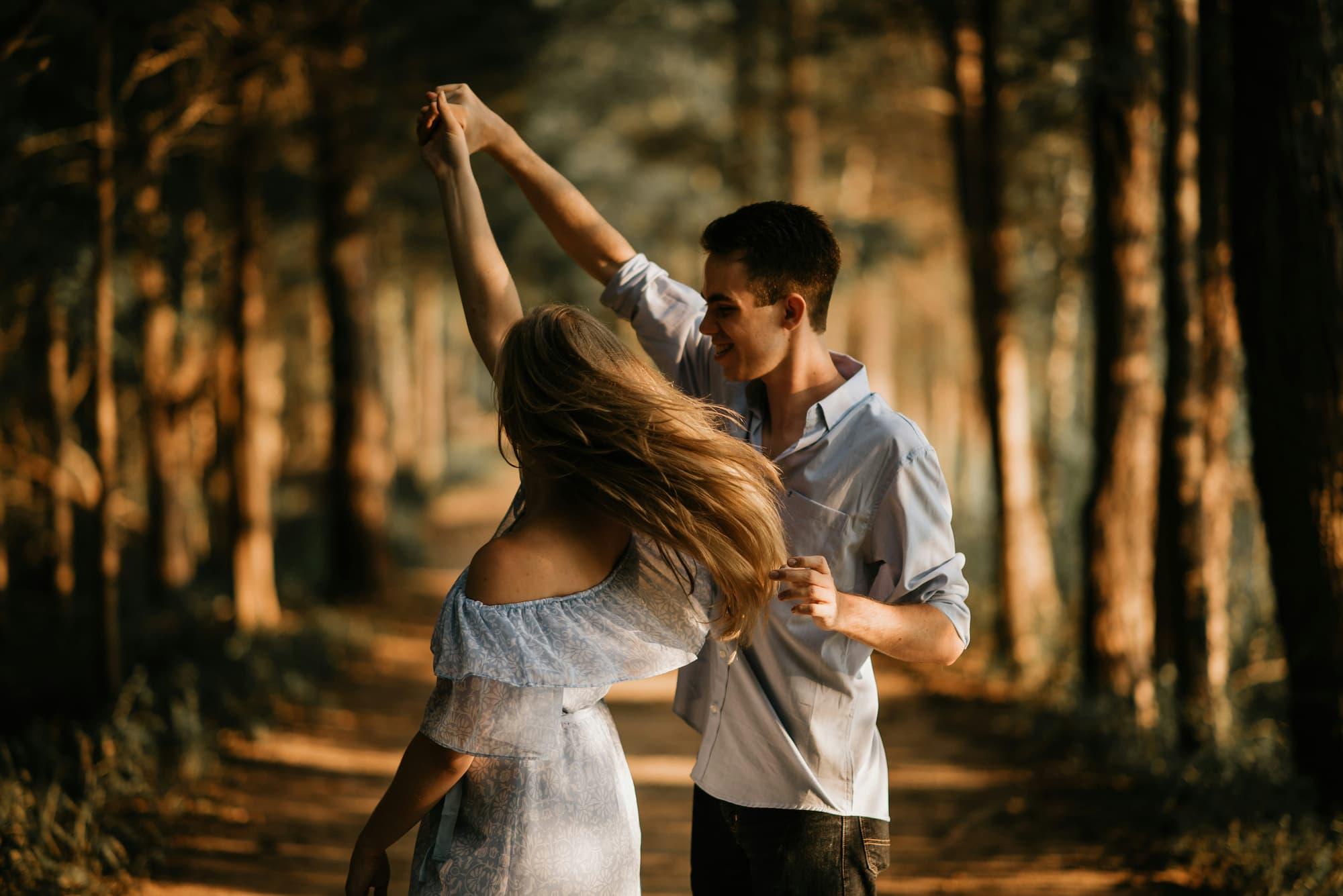
How to Dance With a Partner
Two good dancers do not automatically become a good couple.
That’s one of the hardest lessons in ballroom and Latin dancing.
You can have strong technique, good results, and years of experience — and still struggle to truly dance together.
Because partner dancing is not only about steps. It’s about connection, trust, timing, communication, and learning how to move as one team.
And that takes time.
Trust Changes Everything
Many dancers focus only on technique. But trust changes how a couple looks on the floor.
Without trust:
- movements feel heavy
- leading and following become tense
- dancers start controlling each other
- mistakes create frustration
With trust:
- movement becomes lighter
- reactions become faster
- couples look calmer and more natural
Some partnerships are technically not the strongest in the room — but they still look amazing together because they trust each other completely.
The best couples often look effortless because they trust each other.
Strong Partnerships Are Built in Practice
There is no shortcut to connection.
Not chemistry. Not luck. Not one perfect tryout.
Most strong couples are built through:
- hundreds of practices
- repeated mistakes
- difficult training sessions
- shared routines
- years of repetition together
Over time, couples develop:
- shared timing
- body awareness
- reactions
- rhythm
- habits
This is why long-term partnerships often look so synchronized.
They didn’t build it in one month.
Patience Matters More Than People Think
Every dancer learns differently.
One partner may improve faster technically. Another may struggle mentally, emotionally, or physically.
New partnerships especially require patience.
Many couples break too early because they expect instant results:
- instant chemistry
- instant success
- instant understanding
But real connection usually develops slowly.
Sometimes couples need months before they truly start dancing well together.
Communication Outside Dancing Matters Too
A lot of dance problems are actually communication problems.
Not every issue should become: “Again.” “Wrong.” “One more time.”
Strong couples learn how to:
- give feedback calmly
- discuss problems openly
- talk about goals
- manage frustration
- support each other during difficult periods
Communication affects the atmosphere of every practice.
And atmosphere affects progress.
Training Is Not a Battle
Many dancers unknowingly try to “win” practice.
They defend mistakes. They blame each other. They try to prove who is right.
But partner dancing does not work that way.
Practice should not feel like two people fighting for control.
The goal is not: “Who is correct?”
The goal is: “How do we improve together?”
That mindset changes everything.
One Partner Cannot Carry the Whole Couple
Even if one dancer is:
- more talented
- more experienced
- more motivated
- technically stronger
A partnership still requires effort from both sides.
Long-term success only happens when both dancers contribute:
- physically
- mentally
- emotionally
One person cannot build a strong couple alone.
Dancing Together Outside Competition Helps
Some of the strongest partnerships are built outside the competition floor too.
Traveling together. Training camps. Long tournament days. Shared experiences.
These moments build familiarity and understanding.
That does not mean partners must become best friends. But connection outside pure training often improves connection inside dancing as well.
Stop Watching Only the Mirror
Many couples spend entire practices looking only at themselves in the mirror.
But partner dancing also requires watching and feeling each other.
Sometimes the best improvement comes when dancers focus less on appearance and more on:
- reaction
- timing
- breathing
- movement together
Partner dancing is not two solo dancers moving side by side.
It is shared movement.
Respect Is Visible on the Dance Floor
You can often see respect in the way couples dance together.
The way they react after mistakes. The way they support each other. The way they communicate under pressure.
Respect creates stability inside a partnership.
And stable partnerships usually improve faster over time.
Because dancing together is not only about performance.
It is about building trust between two people who are trying to grow together.
Final Thoughts
Learning how to dance with a partner takes much more than learning choreography.
It requires:
- trust
- patience
- communication
- repetition
- teamwork
And most importantly — time.
Every strong partnership you see today was built through difficult practices, misunderstandings, mistakes, and growth together.
That is part of the process.
If you are currently building a partnership, focus less on perfection and more on learning how to move together consistently.
That is where real partner dancing begins.
You can also explore more articles on DanceNetwork about partnerships, training, competitions, and building stronger dance connections.