
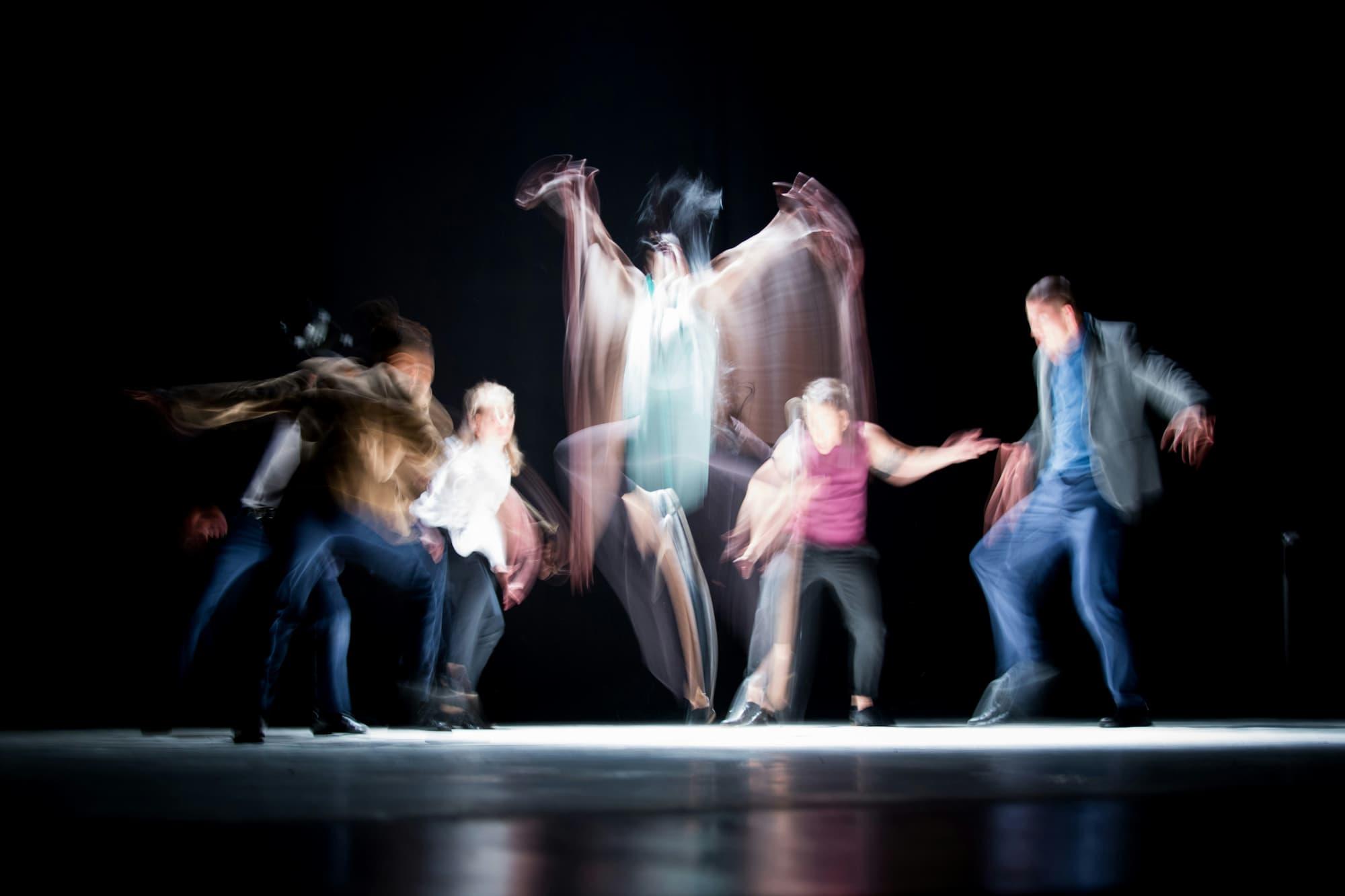
Finding a dance partner is difficult.
Finding the right dance partner is even harder.
Many dancers focus on height, age, results, or location. While those factors matter, they rarely determine whether a partnership will succeed long-term.
Some couples look perfect on paper but separate after a few months. Others start with obvious differences and grow into successful competitive partnerships.
So how can you tell if a dance partnership has real potential?
Shared Goals Matter More Than Talent
One of the biggest reasons partnerships fail is misaligned expectations.
Ask yourself:
- Do both dancers want to compete?
- Are your goals local, national, or international?
- How many competitions do you plan to attend each year?
- Do you both want coaching and camps?
- Are you aiming for the same category progression?
A highly motivated dancer and a casual dancer will eventually become frustrated with each other.
Successful partnerships usually move in the same direction, even if they start at different levels.
Similar Work Ethic Is Essential
Talent can help.
Work ethic keeps a partnership together.
Pay attention during the first few practices:
- Does your partner arrive on time?
- Are they prepared?
- Do they practice between lessons?
- Are they willing to repeat difficult exercises?
- Do they take responsibility for mistakes?
You don't need identical personalities.
You do need a similar level of commitment.
Communication Is More Important Than Technique
Every partnership will face disagreements.
The question is not whether problems will appear.
The question is how both dancers handle them.
Healthy partnerships usually involve:
- Honest feedback
- Respectful discussions
- Listening without becoming defensive
- Solving problems together
- Clear expectations
Warning signs include:
- Constant blame
- Passive-aggressive behavior
- Frequent arguments
- Avoiding important conversations
Good communication often outweighs technical compatibility.
You Enjoy Practicing Together
This may sound obvious, but many dancers ignore it.
You will spend hundreds of hours together.
Ask yourself:
- Do practices feel productive?
- Can you stay focused together?
- Do you enjoy spending time together?
- Can you recover after a difficult training session?
A partnership doesn't require friendship.
But mutual respect and positive energy make training much easier.
Similar Commitment to Travel and Competitions
Competitive dancing often requires:
- Traveling to events
- Weekend competitions
- Training camps
- Additional expenses
Before committing to a partnership, discuss:
- Travel possibilities
- Budget expectations
- Competition schedules
- Coaching investments
Many promising partnerships end because these topics were never discussed early.
Physical Compatibility Matters — But It's Not Everything
Height, body proportions, and movement style are important.
However, dancers sometimes reject potential partners too quickly because they focus only on appearance.
Instead, evaluate:
- Frame compatibility
- Natural movement together
- Balance and connection
- Ability to improve with training
What feels slightly uncomfortable today may look completely different after several months of practice.
The Partnership Improves Quickly
The first few practices often reveal a lot.
Look for signs such as:
- Easier communication over time
- Faster learning
- Better connection each session
- Increased confidence while dancing together
Progress does not need to be dramatic.
Small improvements from practice to practice are often a strong indicator of long-term potential.
Give It Enough Time
Many dancers make decisions too quickly.
One practice is rarely enough.
Whenever possible:
- Take several trial lessons
- Practice multiple times
- Attend a coaching session together
- Dance different styles and exercises
The goal is not to find a perfect partner immediately.
The goal is to determine whether growth is possible together.
Questions to Discuss Before Forming a Partnership
Before making a final decision, talk about:
- Dance goals
- Competition plans
- Training frequency
- Budget expectations
- Coaching preferences
- Travel possibilities
- Long-term ambitions
These conversations may feel uncomfortable, but they prevent many future problems.
Final Thoughts
No dance partnership is perfect from the beginning.
The strongest partnerships are usually built on shared goals, consistent effort, good communication, and mutual respect.
If you find someone who matches your ambition, enjoys working hard, and is willing to grow together, you may have found a partner worth investing in.
If you're currently searching, DanceNetwork helps dancers connect with potential partners from different countries and competitive levels, making it easier to find someone who shares your goals.