
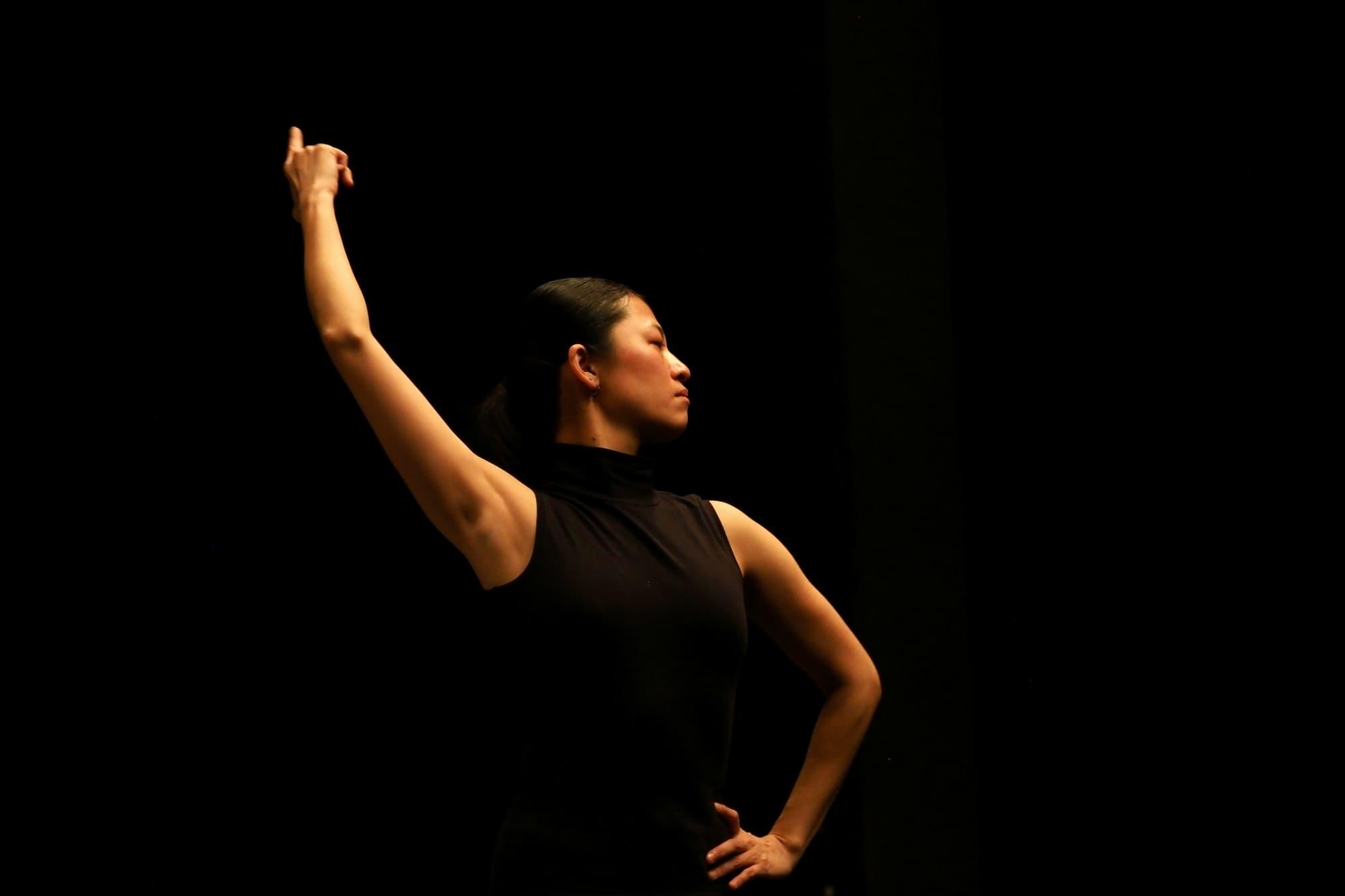
You finally found a partner.
After months of dancing solo, competing alone, watching couples from the side — now you’re on the floor together.
And very quickly, a new question appears:
Do you stop solo… or try to continue both?
There’s no universal rule, but there is a smart way to think about it.
What solo dancing really gave you
If you’ve been dancing solo seriously, you already know — it’s not just a “backup option.”
It builds things that are hard to develop in a couple:
- confidence to go on the floor alone
- awareness of your own body
- musicality without relying on someone else
- the ability to perform under pressure
For many dancers, solo is what kept them improving when they didn’t have a partner.
And that doesn’t suddenly become useless.
But partnership changes everything
The moment you start dancing in a couple, your priorities shift — whether you like it or not.
Now it’s not only about how you move.
It’s about:
- how you move together
- how you react to each other
- how stable your connection is
- how you look as one unit
And this takes time. A lot of time.
You can’t build a strong partnership if most of your energy is still going somewhere else.
Where dancers usually go wrong
You’ll see two typical reactions.
Some dancers continue almost fully solo, because that’s what they’re used to. The partnership becomes something “on the side.” Progress as a couple stays slow, and frustration builds.
Others do the opposite. They drop solo completely overnight. After a while, they start feeling less confident, less sharp, more dependent on the partner.
Neither extreme works well.
A more realistic approach
You don’t need to choose one and kill the other.
But you do need to change the priority.
In simple terms:
- most of your time should now go into couple dancing
- a smaller part can still stay with solo
Not as a second career — but as support.
Solo is no longer your main direction. It becomes a tool.
The Reality WDSF: Rules Matter
If you're competing under the World DanceSport Federation (WDSF), there is an important limitation.
👉 You cannot actively compete in both Solo and Couple categories at the same time.
That means:
You’ll usually have to choose one competition path Switching is possible, but not parallel Your national federation (like DTV in Germany) controls your license status
This doesn’t affect training - only official competitions.
When continuing solo actually helps
There are situations where keeping solo makes a lot of sense.
If you don’t train with your partner every day, solo keeps you active.
If your partner is still developing, solo helps you stay at your level.
If you tend to lose confidence, solo competitions can keep you mentally strong.
Solo doesn’t compete with your partnership — it strengthens it.
When it starts holding you back
There’s also a point where solo can slow things down.
Especially:
- before important competitions
- when you’re building new routines
- when you need to fix connection and basics
- when your schedule is already overloaded
Partnership needs focus. And sometimes that means letting other things go, at least temporarily.
How to combine both without conflict
The key is not just how much you do, but how you use it.
Keep solo for:
- technique work
- body control
- musicality
- performance quality
Use couple training for:
- connection
- lead and follow
- choreography
- rounds and competition preparation
This way, the two directions don’t fight each other.
Final thought
Finding a partner doesn’t erase your solo experience.
It gives it a new role.
You’re no longer dancing just for yourself — but what you built alone is exactly what you now bring into the couple.
If you manage that balance well, you don’t lose anything.
You just become a stronger dancer — in both worlds.
And if you’re still in the process of finding the right partner, you can start here: