
slug: can-duo-dancing-replace-traditional-couple-dancing
seo: title: Can Duo Dancing Replace Traditional Couple Dancing? | DanceNetwork description: More dancers are choosing duo categories in ballroom and Latin competitions. Explore why duo dancing is growing and whether it can replace couples.
category: community
tags:
- duo-dancing
- ballroom
- latin
- competitive-dancing
- dance-couples
- dance-community
- solo-dancing
publishedAt: 2026-05-19 status: published
Can Duo Dancing Replace Traditional Couple Dancing?
This weekend I attended a dance competition and noticed something interesting.
There were more duo performances than I expected.
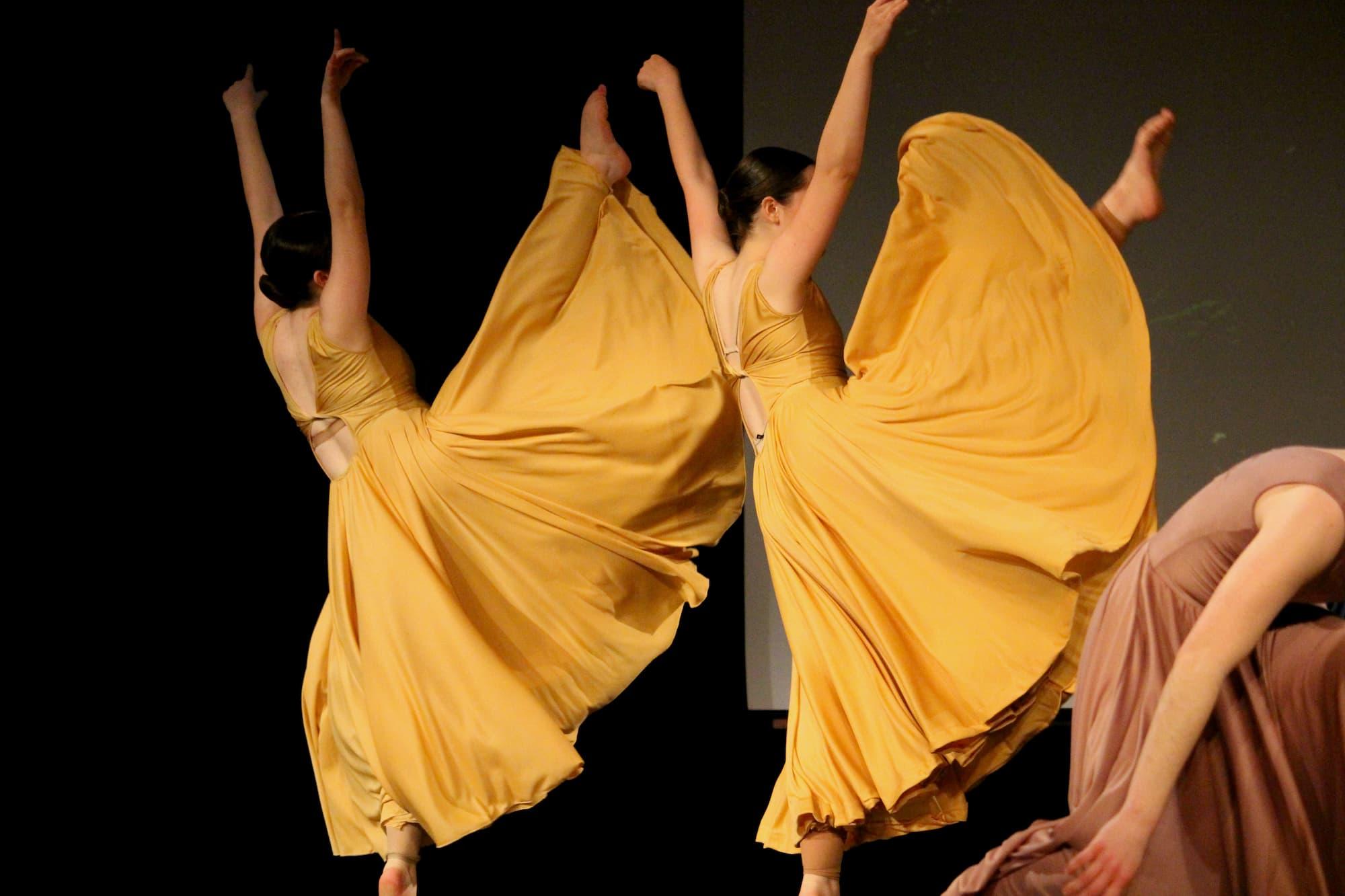
Not just solo categories — actual duo partnerships performing together with strong synchronization, matching energy, and surprisingly high-level choreography.
And honestly?
Some of them were really impressive.
The audience reacted. People watched. Coaches paid attention.
It made me think about something many dancers quietly discuss today:
Can duo dancing become a real alternative to traditional couple dancing?
The dance world is changing, and duo categories are becoming more visible every season.
But does that mean traditional couples could eventually be replaced?
Probably not completely.
Still, there are reasons why more dancers are choosing this path.
Why Duo Dancing Is Growing
A few years ago, duo categories were still considered “extra” in many competitions.
Today, they often have full schedules, strong participation, and serious preparation behind them.
There are several reasons for this.
Finding a Stable Partner Is Hard
This is one of the biggest realities in ballroom and Latin dancing.
Many dancers spend months — sometimes years — searching for the right partner.
Different goals, different heights, relocation, schedules, finances, commitment levels… it’s not easy to build a stable partnership.
Duo dancing gives dancers a way to stay active instead of waiting.
They continue:
- competing
- training
- performing
- improving visibility
- building confidence
Without completely pausing their progress.
If you're currently searching, you can also explore Dance Partner Search or read our guide: How to Find a Dance Partner (Step-by-Step Guide).
Duo Dancing Is More Flexible
Traditional couple dancing requires constant coordination between two people.
Training schedules, travel, coaching, competition plans — everything depends on both dancers staying aligned.
With duo categories, the structure is often simpler.
For many dancers, especially younger competitors, this reduces stress and makes dancing more accessible.
That flexibility matters.
Synchronization Creates a Different Kind of Performance
One thing that stood out during the competition was how visually clean some duo performances looked.
The synchronization felt sharp and modern.
Instead of focusing on lead-and-follow dynamics, the attention shifts toward:
- timing
- matching lines
- musicality
- energy
- visual impact
Some performances almost felt closer to showdance or performance art while still keeping ballroom and Latin foundations.
And audiences clearly enjoy it.
You can already see more duo categories appearing in modern Dance Competitions around the world.
What Duo Dancing Still Cannot Fully Replace
At the same time, traditional couple dancing has something unique that is very difficult to recreate.
Especially in ballroom.
The entire structure of dancesport was originally built around partnership mechanics:
- connection
- leading and following
- floorcraft
- chemistry
- communication between two dancers
That dynamic creates emotional depth that many people still associate with ballroom and Latin dancing itself.
A strong couple dancing together feels different.
Not better or worse — simply different.
The Competitive Structure Still Favors Couples
Even though duo categories are growing, the highest levels of competitive dancesport are still centered around traditional partnerships.
World titles, elite championships, major rankings, and long-established judging systems continue to focus mainly on couples.
That probably will not change anytime soon.
But duo categories are no longer treated as a temporary solution or secondary option.
In many competitions, they already feel like a serious and respected category.
Is Duo Dancing the Future?
Maybe not the full future.
But definitely part of it.
The modern dance world looks different from ten or fifteen years ago.
Dancers move internationally more often.
Partnerships change faster.
Training costs are higher.
Social media influences choreography and presentation.
And dancers want more opportunities to stay visible and competitive.
Duo dancing fits naturally into that reality.
For some dancers, it becomes a temporary stage before finding a partner.
For others, it becomes a long-term direction they genuinely enjoy.
And honestly, after watching those performances this weekend, it’s easy to understand why.
Final Thoughts
Traditional couple dancing is still at the heart of ballroom and Latin.
That connection between two dancers is something special and irreplaceable.
But duo dancing is no longer just a backup category.
It has its own identity now.
And the more competitions include strong duo divisions, the more dancers will see it as a real competitive path — not simply an alternative.
Maybe the future of dancesport is not about replacing couples.
Maybe it’s about giving dancers more ways to stay on the floor.
You can explore dancers, competitions, and the growing ballroom & Latin community on DanceNetwork.